Amazon Launches Boomerang Program: Rehires Laid-Off Workers for AI and AWS
Amazon is accelerating a campaign to rehire former employees it previously laid off. Recruiters at the tech giant are offering them positions in AWS cloud computing and artificial intelligence divisions.
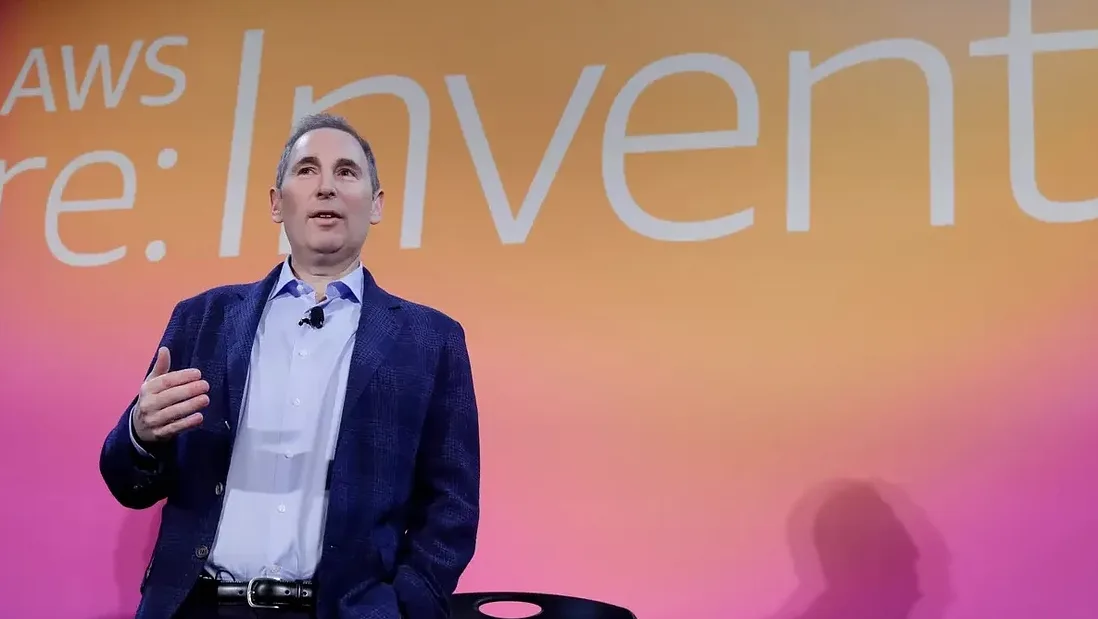
Amazon has launched an active campaign to rehire former employees, including those it previously laid off. Recruiters at the tech giant are offering them open positions in cloud computing (AWS) and artificial intelligence divisions, as reported by dev.ua.
Context: Why Amazon Is Rehiring Laid-Off Workers
The boomerang program is a strategic move by Amazon in response to the global talent war in artificial intelligence. The company, which previously conducted large-scale layoffs, is now seeking to attract experienced professionals already familiar with its internal processes. This allows it to fill critical roles faster without lengthy onboarding of new hires.
Analysis: Where This Is Leading
This practice signals a growing shortage of highly skilled workers in AI and cloud technologies. For small businesses, it’s a sign: competition for IT talent is intensifying, and it’s worth reevaluating your own hiring strategies. If giants like Amazon are willing to rehire even those they laid off, the labor market is becoming more flexible — but also more demanding in terms of working conditions.
For managers of small companies, this means retaining key employees has become critical. Investing in internal loyalty programs and career development is essential to avoid losing valuable talent to large corporations actively hunting for skilled workers.
Conclusion
Amazon’s boomerang program is not just about rehiring the laid-off — it’s a strategic play in the AI race. Small businesses can adopt flexibility in workforce management, but must be prepared for intense competition for talent.
💡 Need help with this article’s topic? Learn about our service — AI widgets for business.
Author: Andrew Syromyatnikov · Founder of InfoCombiner
This article was drafted with AI assistance and reviewed by our editorial team. Editorial Policy