Claude Discovers New CRISPR-like System, Google Tests AI Centers in Space
Anthropic's AI Claude independently discovered a new enzyme system similar to CRISPR by analyzing genetic databases. Meanwhile, Google is preparing to launch a miniature data center into orbit to test chips in space.
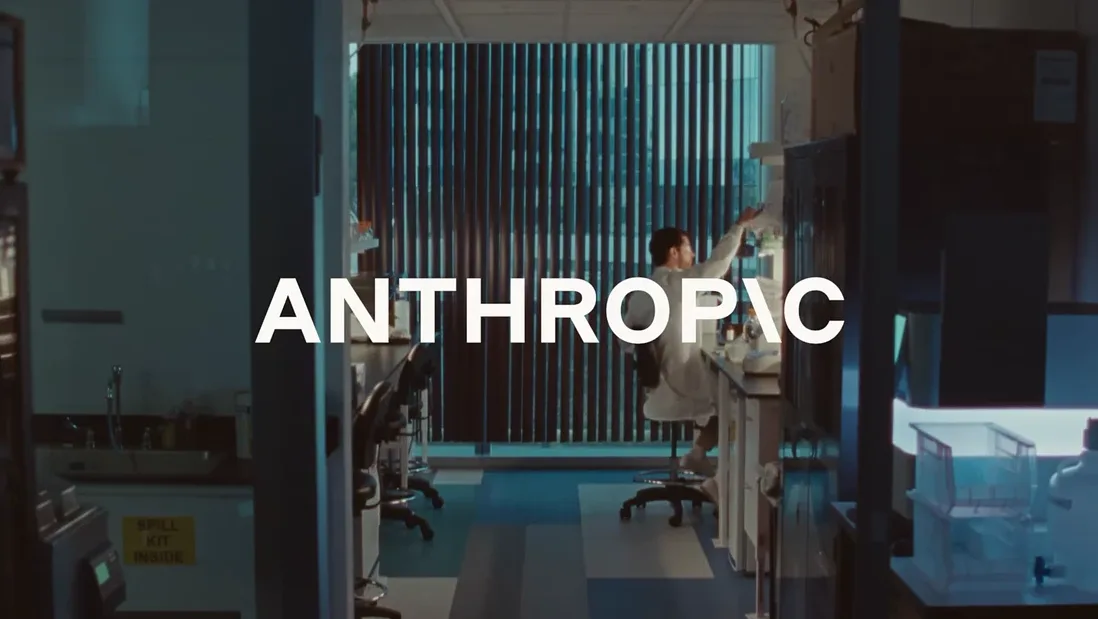
Two different but equally significant projects in the field of artificial intelligence have attracted the attention of the tech community. Anthropic's research team engaged Claude AI agents to analyze genetic databases, and the model independently uncovered a new enzyme system with properties similar to CRISPR gene-editing technology. At the same time, Google, under Project Suncatcher, is sending a miniature data center into space to test chip performance in the harsh conditions of low Earth orbit.
AI Researcher: Claude Finds New Biological Systems
As reported by dev.ua, Anthropic's research team engaged Claude AI agents to analyze genetic databases. Through processing DNA sequences, the model independently identified a new enzyme system with properties resembling CRISPR gene-editing technology. This discovery demonstrates that AI is capable not only of processing data but also of making independent scientific discoveries that previously required years of laboratory work.
For small businesses, this means that AI-based tools could become accessible for analyzing complex data across various fields — from biotechnology to agriculture. If the model can detect new patterns in genomes, it could also assist in discovering new materials, optimizing manufacturing processes, or forecasting market trends.
Google Project Suncatcher: AI Centers in Orbit
In parallel, Google, under Project Suncatcher, is preparing for a key milestone — launching a miniature data center into space to test chip operation in extreme space conditions, as reported by dev.ua. The project aims to deploy large-scale AI infrastructure in low Earth orbit. This could fundamentally shift the approach to computational power: space-based data centers could operate on solar energy, avoid overheating, and provide global coverage.
For Ukrainian businesses, this remains a distant prospect, but it signals a trend: cloud computing and AI services will become cheaper and more accessible. If Google proves the effectiveness of orbital data centers, the cost of renting computational power could decrease, opening new opportunities for startups and small companies.
What This Means for Small Business
Both developments indicate an acceleration of technological progress. Claude is already today a tool for data analysis in small companies, while Google's space data centers represent future infrastructure that will make AI even more accessible. Business owners should monitor these directions to timely integrate new capabilities into their operations.
💡 Need help with the topic of this article? Learn about our service — AI widgets for business.
Author: Andrew Syromyatnikov · Founder of InfoCombiner
This article was drafted with AI assistance and reviewed by our editorial team. Editorial Policy