OpenAI released Astra: what the new flagship model means for business
OpenAI has unveiled Astra — the company's most powerful model, which developers are calling "the best for software engineering." The model promises a breakthrough in computer and browser interaction, but it has already become the most controversial in the lineup. For small businesses, this is a signal: automation tools are getting significantly smarter.
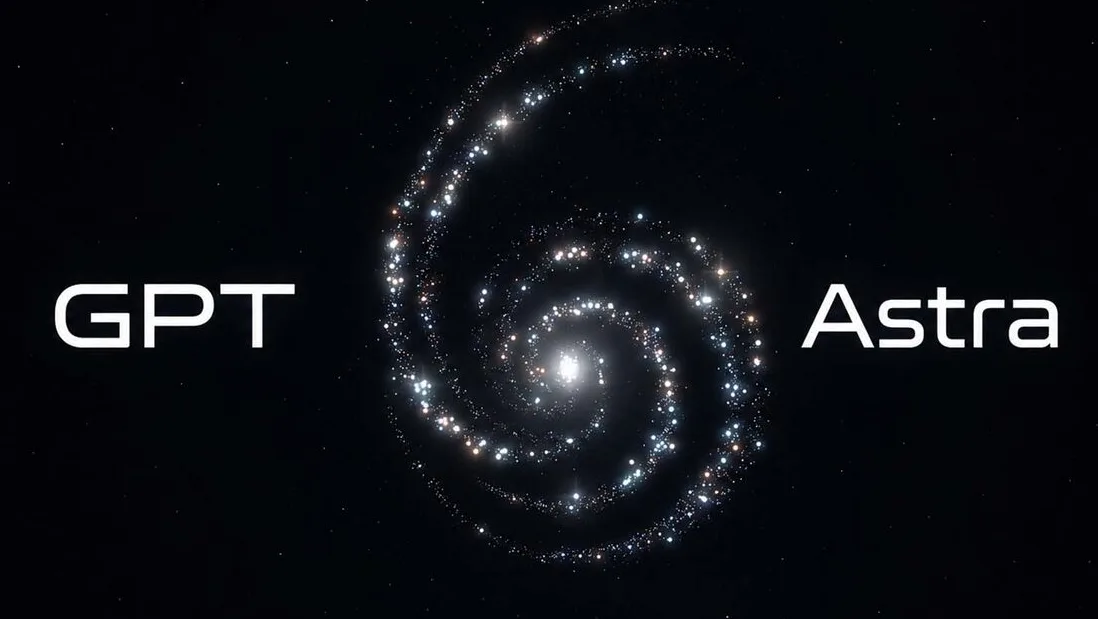
OpenAI has released a new flagship model called Astra. The company positions it as the most powerful and capable of any model ever released under the OpenAI brand. A particular emphasis is placed on software engineering — developers call Astra "the best model for software engineering to date."
What Astra can do
According to OpenAI, the model opens up "new horizons in computer and browser interaction." This means Astra can do more than just generate text in a chat — it can directly control the environment: click buttons, fill out forms, interact with website interfaces, and execute complex multi-step tasks. The company highlights three key characteristics: unprecedented speed, accuracy, and safety.
Why the model was immediately called controversial
The dev.ua material characterizes Astra as "the company's most powerful model, which has simultaneously become the most controversial." Controversy in the context of AI models is usually tied to several things: control over computer interaction (which is essentially delegating real actions in the OS and browser to an agent), the balance between autonomy and safety, and uneven quality across different task types. A model that can control a browser can potentially perform actions with financial consequences — so questions of trust and oversight come to the forefront.
Why this matters for small business
Astra is not just another chatbot update. It is about agentic capabilities: the model can independently walk a user through a website, gather data from multiple pages, fill out a CRM, place an order, and send an email. For teams without a dedicated developer, this is a path to automation that previously required an integrator or custom scripts. At the same time, risks are growing: a model that makes a mistake in the browser can corrupt customer data or take an incorrect action. That is why small companies should build human oversight into any process where Astra acts autonomously.
Where this is taking the market
The emergence of a model that can work with a computer and browser at the level of "the best for software engineering" reinforces the trend toward agentic AI systems. Competition is shifting from chat answers to executing real tasks in a digital environment. For small business, this means faster arrival of ready-made tools: from autonomous assistants in CRMs to website builders where the AI sets up pages and integrations on its own. At the same time, choosing a model becomes a strategic decision — its reliability determines whether a company can trust it with critical processes.
Bottom line
Astra sets a new standard for what AI can do "behind the computer." It is OpenAI's most powerful model for software engineering, and also the most controversial due to its broad autonomous capabilities. Small businesses should watch practical cases of Astra integration into workflows and design oversight rules for agentic actions in advance.
💡 Need help with this topic? Learn about our service — AI Process Audit.
Author: Andrew Syromyatnikov · Founder of InfoCombiner
This article was drafted with AI assistance and reviewed by our editorial team. Editorial Policy